Sosa Consultants Contact Us
Case Studies

Representative Matters, Grounded in Live Restructuring and Recovery Work.

The case studies below illustrate how Sosa Consultants approaches live assignments and what its work can achieve in practice.

Laptop showing financial analysis

Situation

A company founder was facing personal bankruptcy after business failure left significant exposure through personal guarantees on commercial loans and lease obligations. Key personal assets including property and investment accounts were at risk, and creditor pressure was intensifying.

What was done

Sosa Consultants developed a discreet, strategic approach combining financial restructuring and asset protection planning. Our team focused on understanding the founder’s exposure and the resilience of their personal assets, then worked with them and their advisers to shape a lawful restructuring path. That included clarifying how guarantees might crystallise, testing what protection the law would realistically offer, and preparing a filing and negotiation strategy that reduced the risk of avoidable loss.

Result

Through a tailored and lawful strategy, the founder was able to reduce personal exposure and preserve critical value including protected property interests. The outcome allowed the client to exit the business failure with a defensible position and a platform for recovery.
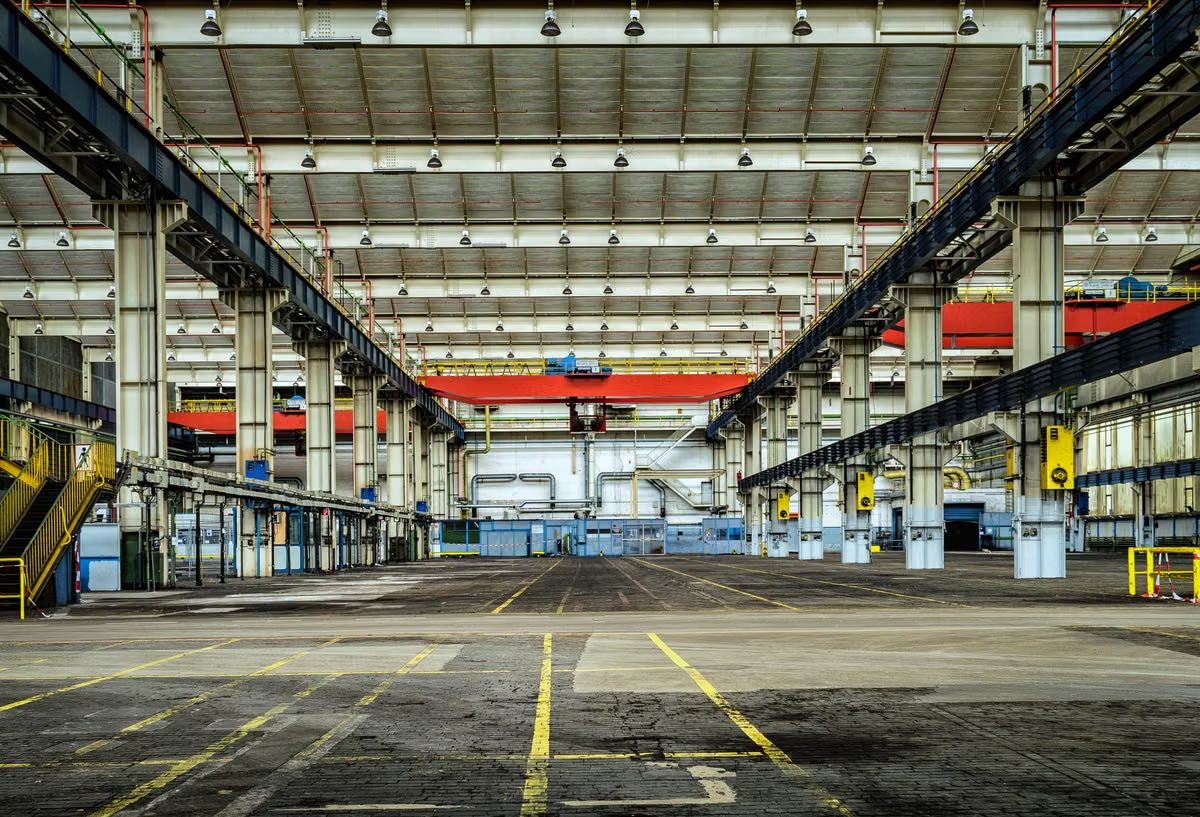
Industrial manufacturing facility interior

Situation

A UK-parented group with US operating subsidiaries was facing near-term debt maturities and a holding arrangement that had become difficult to refinance. Intercompany exposures and creditor ranking issues were preventing progress towards a negotiated outcome.

What was done

We built an integrated financial model covering cash flow and stakeholder recoveries under different scenarios. That model then underpinned both the liquidity assessment and the development of an economic case that could be put before the court and affected parties.

Result

The business implemented a restructuring through the court-supervised route, addressed near-term liquidity pressure, simplified parts of the ownership position, and retained a viable platform for operational recovery.

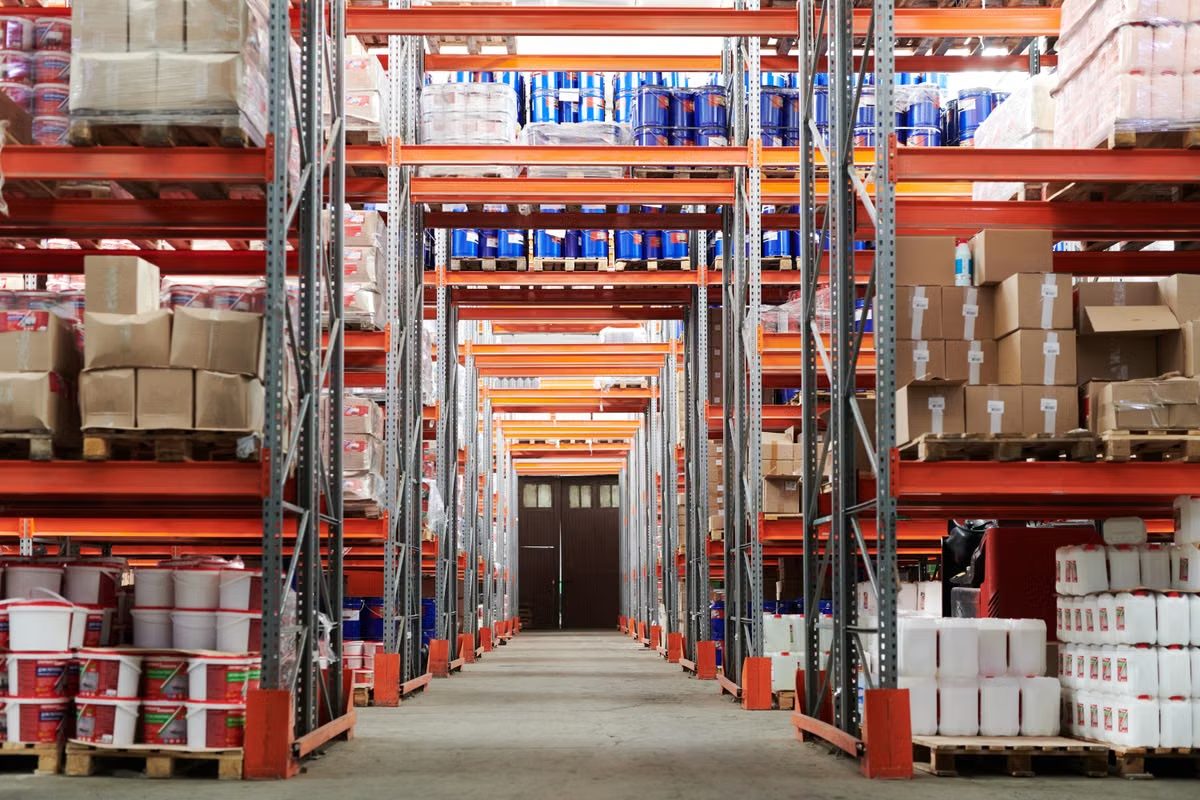
Retail distribution warehouse racking

Situation

A multi-site retail business entered administration with a proposed sale and distribution plan already tabled. Unsecured creditors were concerned that the process timetable and treatment of claims would limit recoveries materially below what an independent analysis might support.

What was done

The Sosa Consultants team monitored trading performance and cash use during the administration period, reviewed the proposed sale process and financing terms, conducted valuation analysis, examined related-party arrangements, and supported creditor negotiations around the distribution framework and asset realisation strategy.

Result

The creditor group entered negotiations with strengthened evidence and a firmer analytical foundation. Recoveries improved from the position initially contemplated, and the operating business transitioned through the process with reduced value destruction.

Trading screen showing market data

Situation

Following a commercial dispute and judgment, the claimant faced an extended enforcement challenge. Assets had been transferred through layered entities across multiple jurisdictions, and conventional enforcement was proving costly and slow-moving.

What was done

We mapped ownership chains and likely asset routes, identified enforcement pressure points across jurisdictions, supported sequencing of recovery actions including freezing applications and receivership proceedings, assisted with financial analysis for court filings, and helped evaluate settlement options against the expected cost and duration of continued pursuit.

Result

Recovery prospects improved materially and the case concluded with a substantial recovery that would have been difficult to achieve through isolated enforcement steps alone.

Management team working in an office

Situation

A founder-backed group had grown through bolt-on acquisitions over several years. Legacy shareholder rights and misaligned debt positions across the group were preventing refinancing discussions and complicating strategic exit planning.

What was done

We reviewed the group's ownership arrangements and debt profile. The work focused on identifying where the existing setup was creating friction and on working with stakeholders to reorganise ownership on a more workable basis.

Result

The group moved to a simplified holding arrangement, which reduced transaction execution risk and gave management a more credible footing for refinancing discussions.

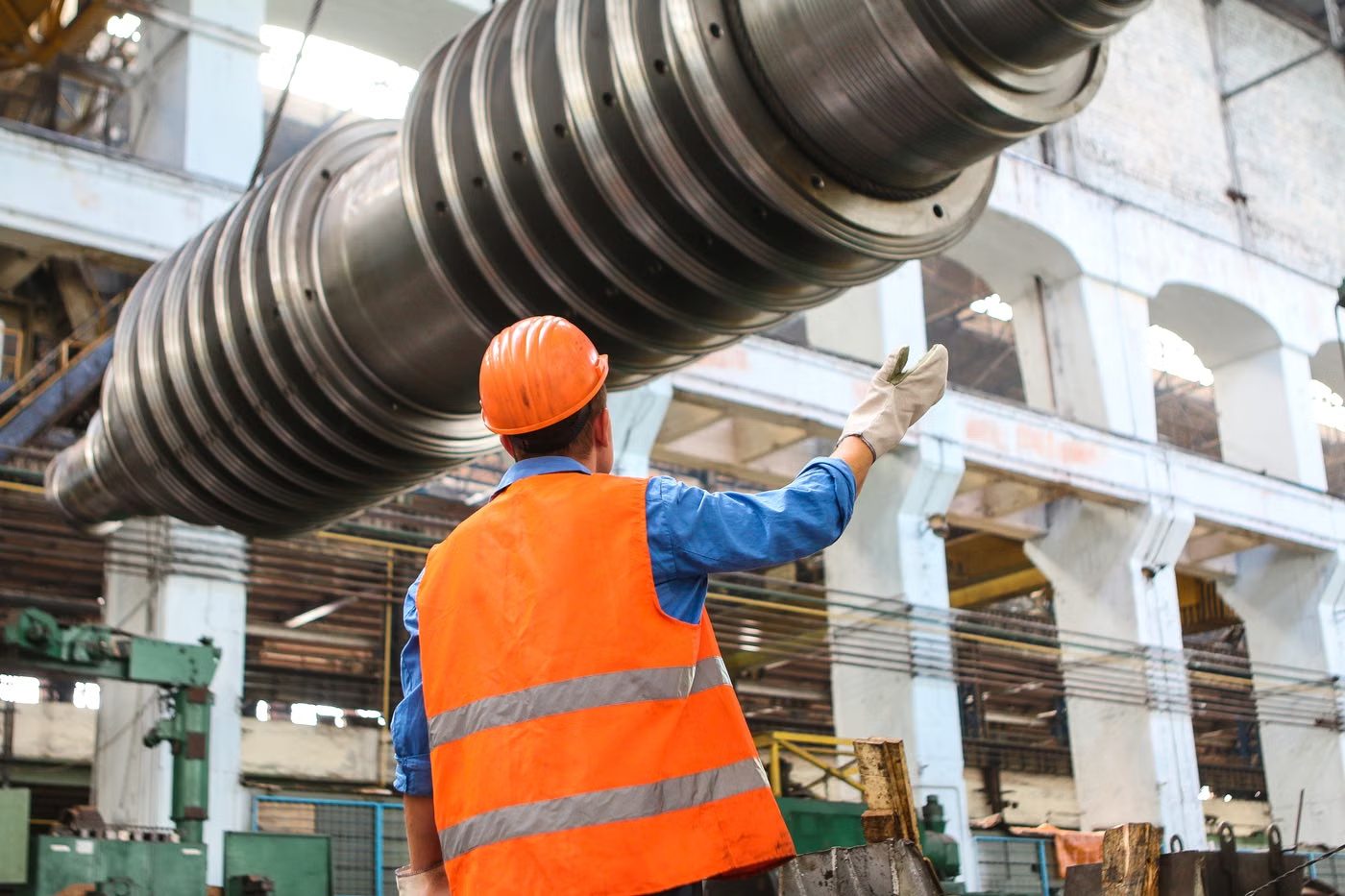
Worker guiding a craned turbine rotor inside an industrial plant

Situation

A US-based operator was pursuing the acquisition of service assets held within a European group that was working through a refinancing. The assets sat in two jurisdictions where the buyer had no prior presence and no local relationships. Management had limited visibility of how the sites were run day to day, and the seller’s timetable was being set by its own funding position.

What was done

The first task was to build a picture of each location from the ground up. We researched how ownership and operating licences are handled in both jurisdictions, established contact with local counsel and with the authorities whose consent would be required for a transfer, and met operational management at the sites to understand staffing and supplier terms. That groundwork then fed the financial assessment, covering the liabilities that would move with the assets and the working capital each operation would need once running independently.

Result

The buyer entered both markets with the required consents identified in advance and a funding plan agreed before completion. The local relationships built during the diligence period carried into the first months of ownership, and both operations continued trading through the transfer without interruption.

Stakeholders in discussion around a table

Situation

A mid-market distribution business entered a period of acute cash pressure following weaker trading and withdrawal of supplier credit. A distressed sale became the most realistic option, but stakeholders disagreed on achievable value and timetable.

What was done

We compared consensual and insolvency-led sale routes and analysed value outcomes under different timing assumptions. We prepared materials to support creditor and shareholder discussions and helped evaluate bids in light of execution risk and expected recoveries across the capital structure.

Result

A sale process was completed on a timetable aligned with the liquidity position, which reduced value leakage compared to a delayed or unstructured process. Stakeholders had a more grounded basis for assessing the achieved outcome against the relevant alternatives.

Contact

Start With the Situation as it Stands.

If you need to discuss a restructuring, insolvency situation, asset recovery issue or stakeholder position, contact Sosa Consultants in confidence.